Destinations in Egypt
Find Your Perfect Egypt
Egypt, yours to compose. Discover what each place holds — we'll weave them together for you.
 01
Pyramids, living streets and the art of arrival
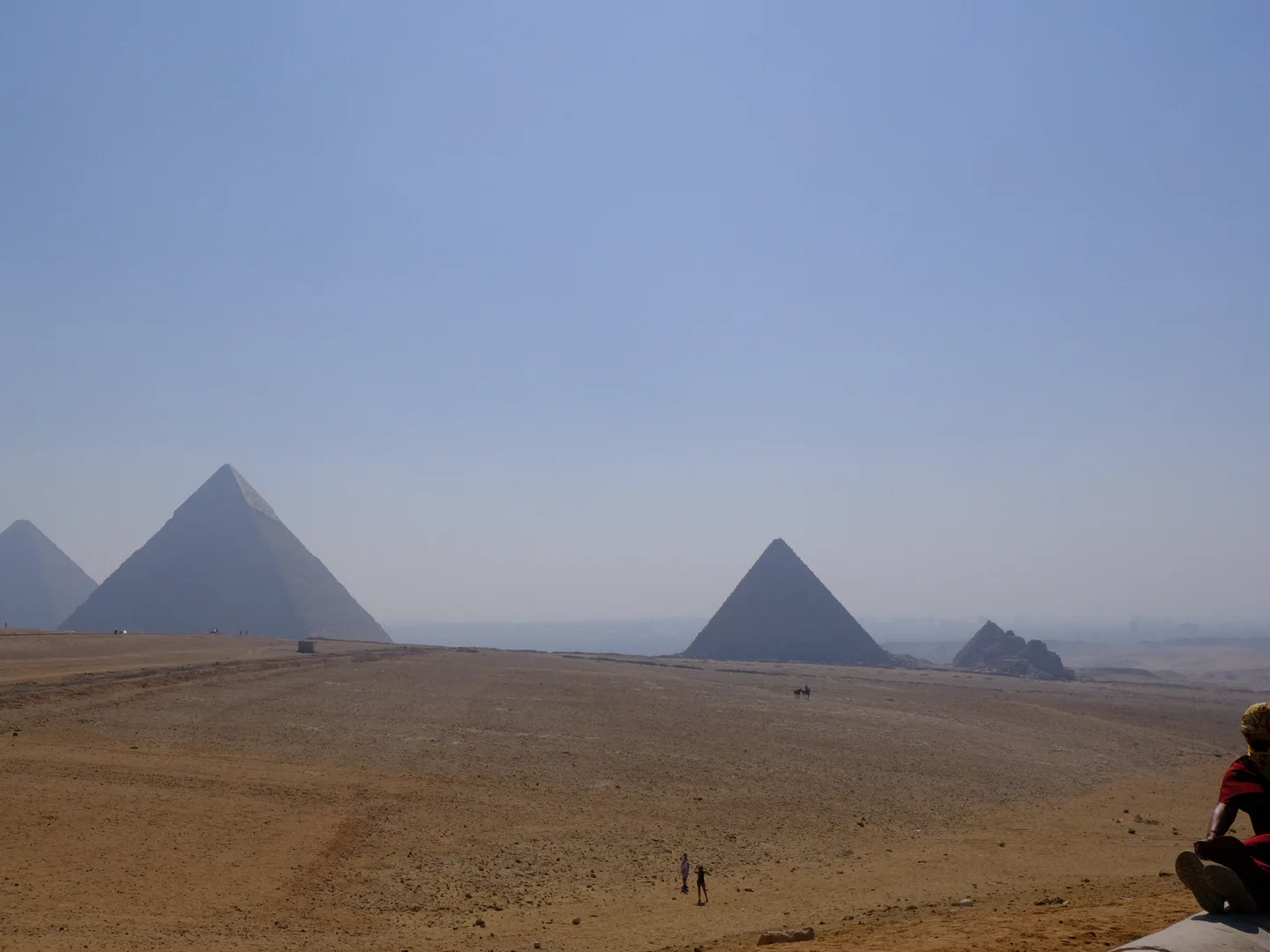
Cairo & Giza
Cairo rewards a journey that gives its different worlds room to breathe. Across the river, the Giza plateau places the pyramids and Sphinx against the desert horizon; in the city, shaded courtyards, Coptic churches and the lanes of Historic Cairo reveal an equally compelling story. A private guide can connect these layers without turning the visit into a checklist. Base yourself beside the Nile or near Giza according to the rhythm you prefer, with unhurried lunches and time to return to the hotel between excursions.
 02
Thebes, interpreted slowly
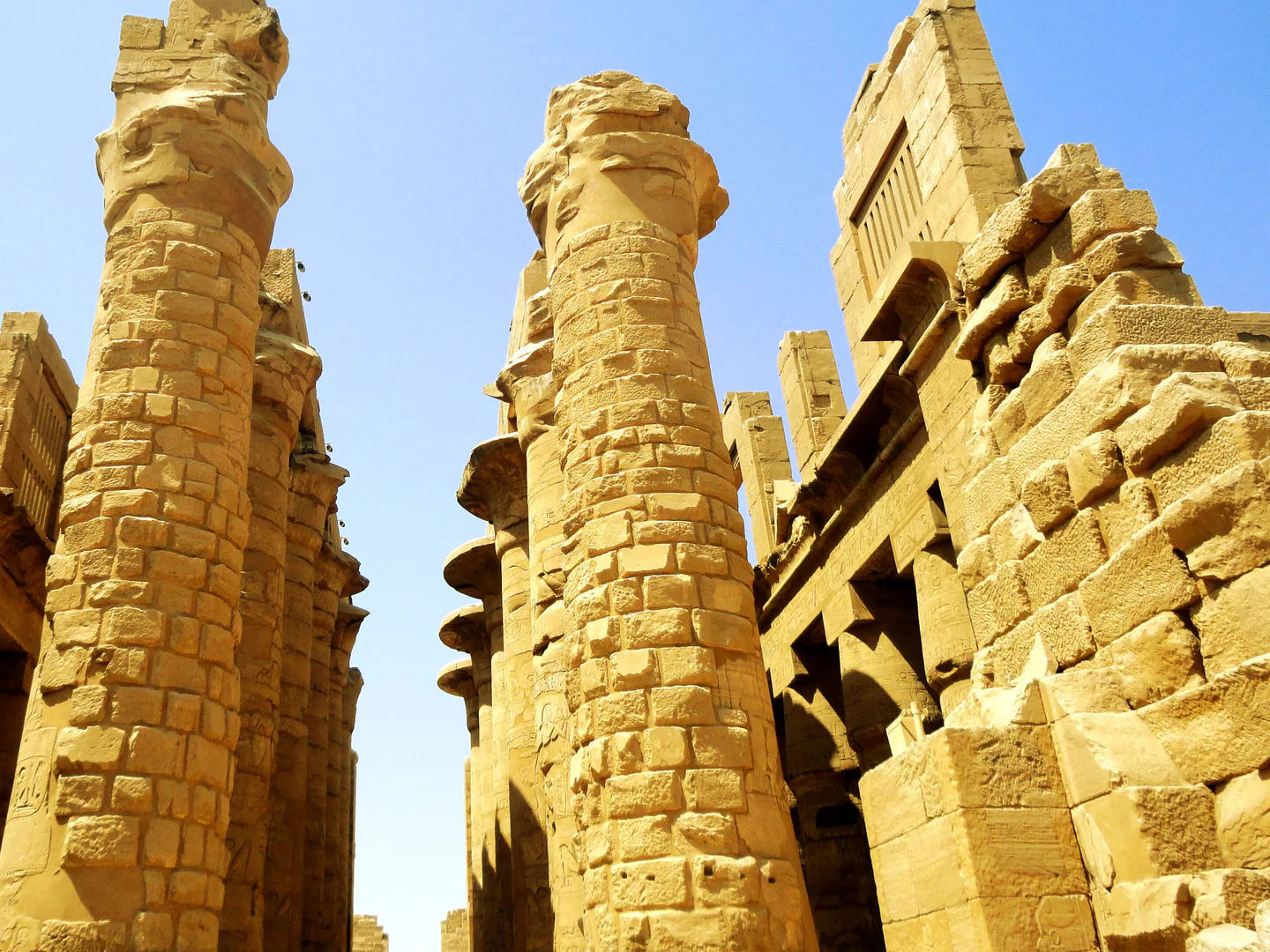
Luxor
Luxor stands on the site of ancient Thebes, where the Nile separates the great temple precincts of the east bank from royal tombs and memorial temples on the west. Its appeal lies in the detail: pigment in a tomb corridor, the changing light on Karnak columns, a ferry crossing that puts the river back into the story. A considered stay gives each bank its own day and leaves room for the quieter tombs of artists and officials. Choose a riverside base and travel with an Egyptologist who can read the landscape as well as the inscriptions.
 03
Granite islands and Nubian voices
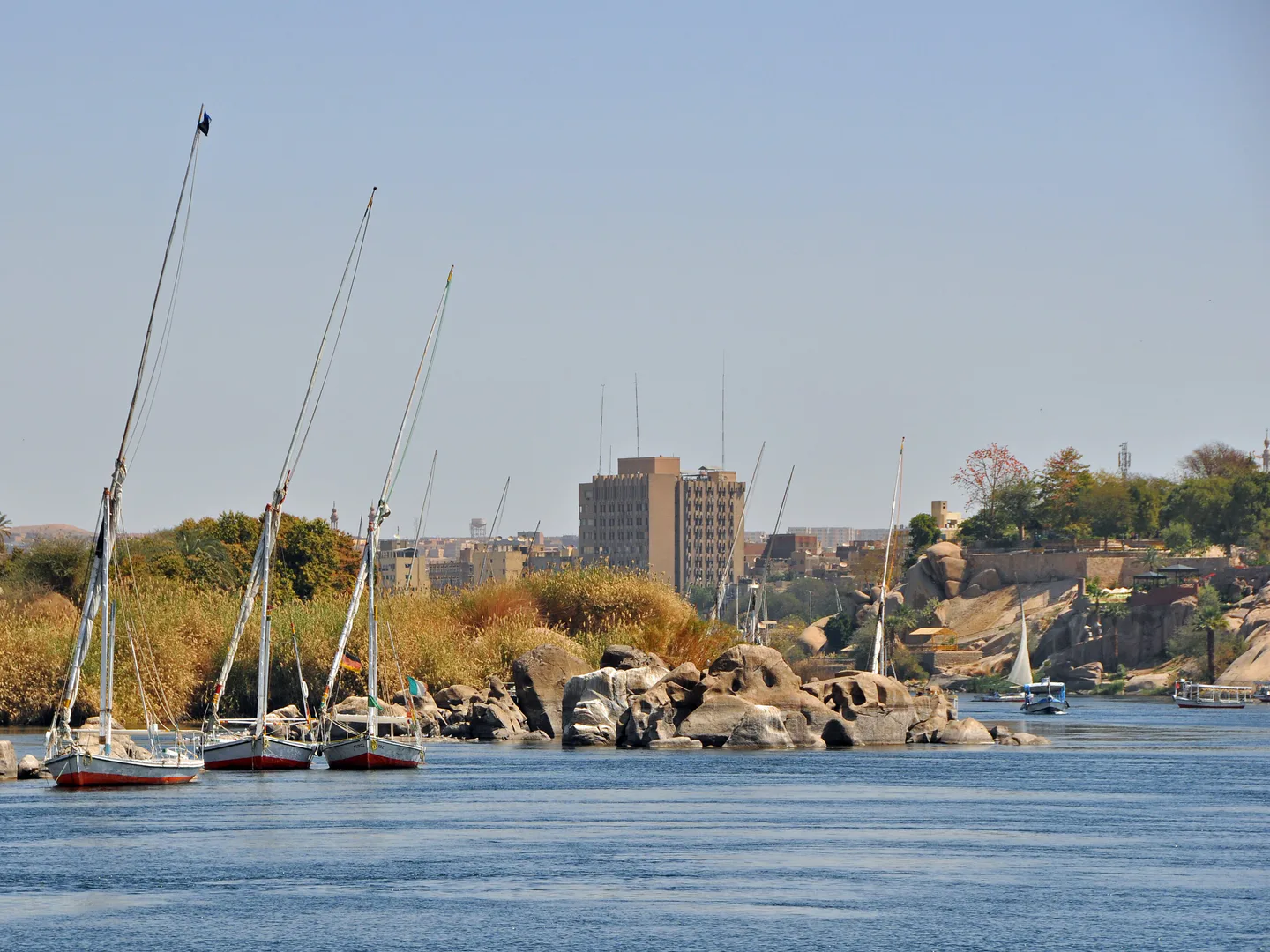
Aswan
Aswan changes the pace of a southern Egyptian journey. Granite boulders interrupt the Nile, islands soften the skyline and the river becomes a place to linger between visits. Philae’s island setting gives the temple approach its own quiet drama, while the Nubian Museum offers valuable context for the communities and landscapes affected by the dams. Stay long enough to balance archaeology with a small-boat crossing, an island walk and a meal hosted or prepared by local people through a respectful, agreed arrangement.
 04
Monumental encounters beside Lake Nasser
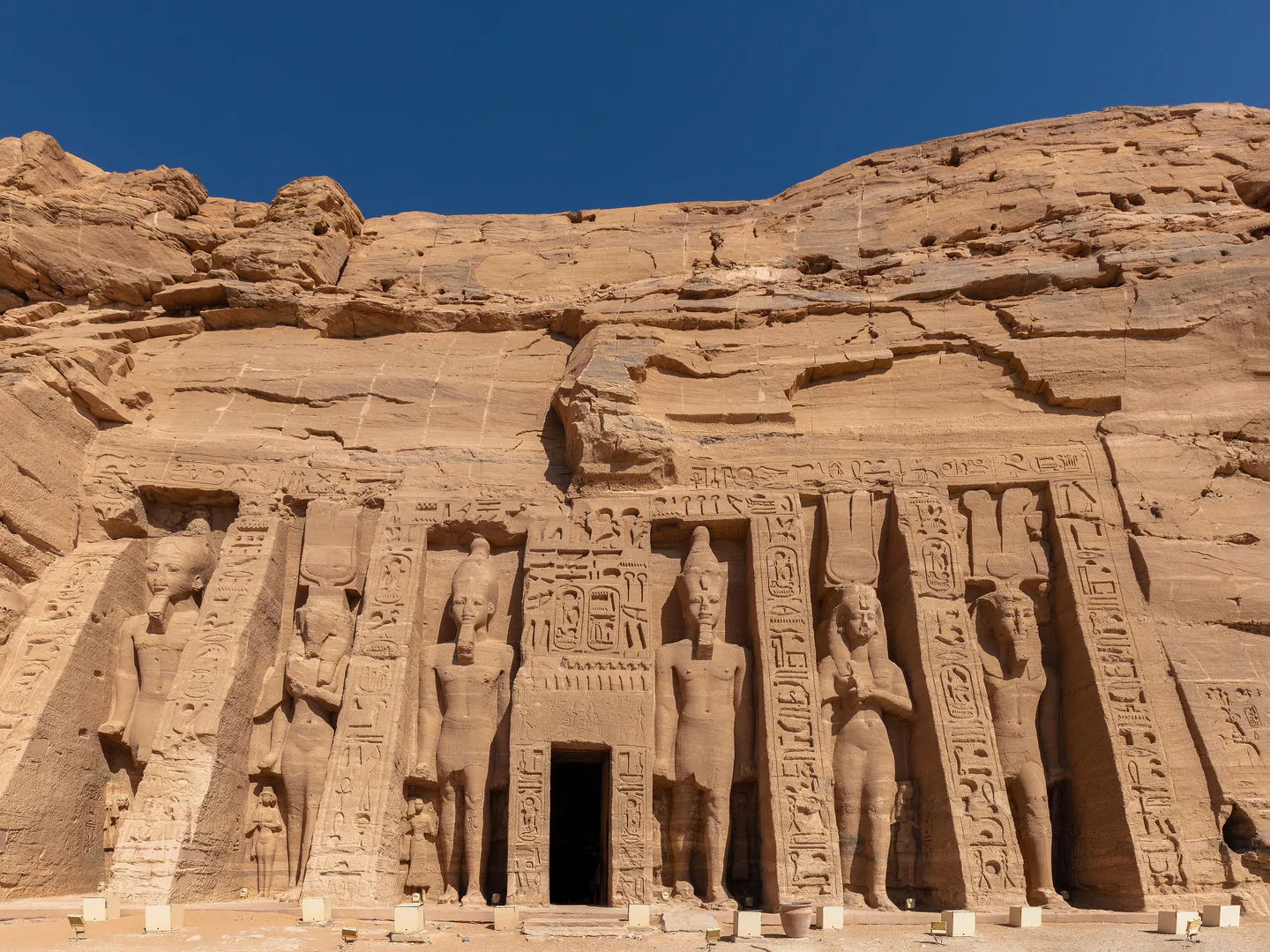
Abu Simbel
Abu Simbel deserves more than a hurried photograph between transfers. The colossal facade of Ramesses II and the neighbouring temple dedicated to Hathor and Nefertari invite close attention to scale, relief and the landscape of Nubia. Their modern setting also tells a remarkable story: the temples were relocated through the international campaign to save monuments threatened by the rising lake. An overnight stop can create breathing space around the long approach from Aswan, with a quieter evening in the town rather than a tightly compressed return.
 05
Palm gardens, earth architecture and desert horizons
Siwa Oasis
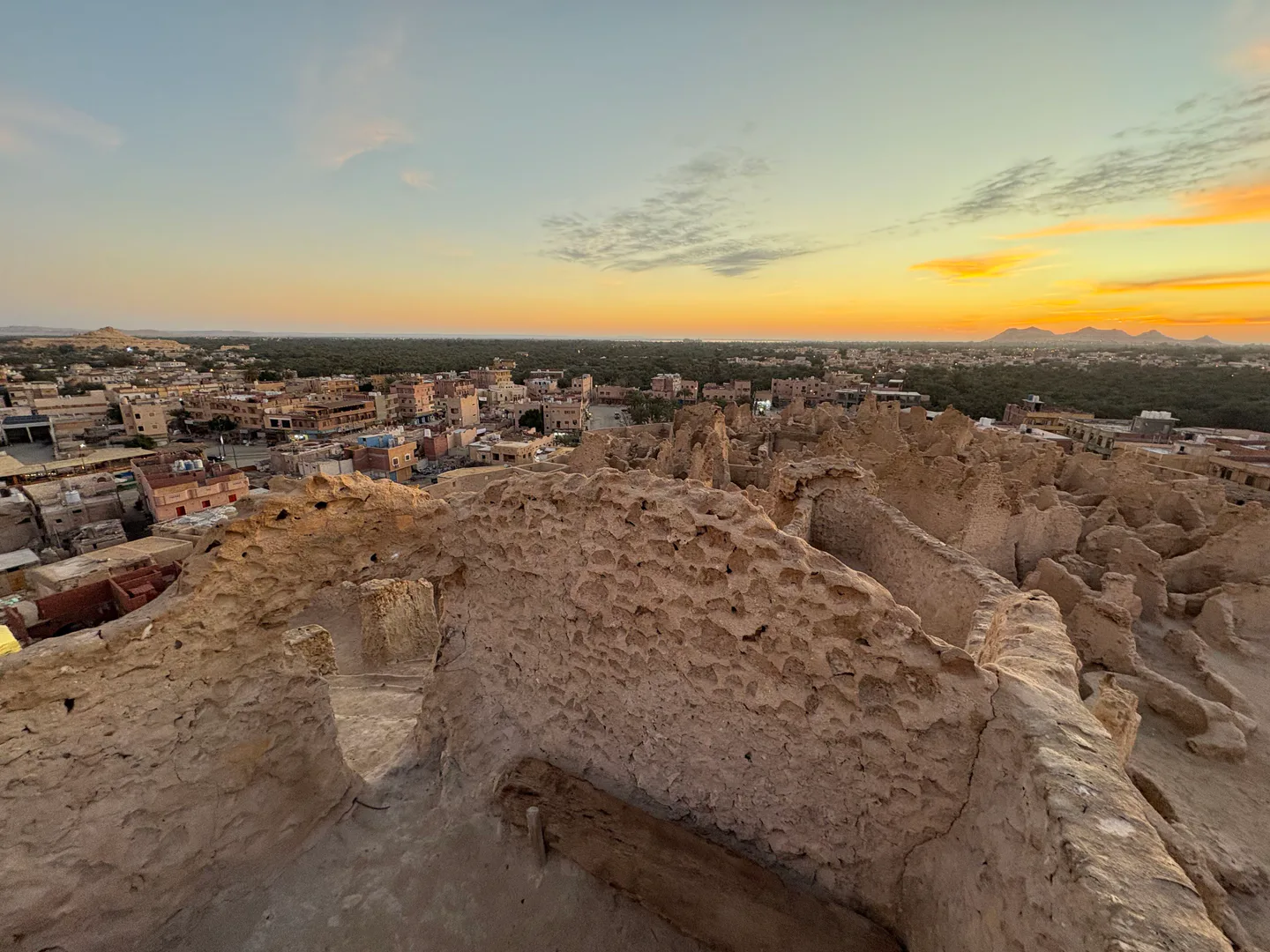
Siwa is an oasis with its own language, agricultural traditions and distinctive built landscape. The earthen remains of Shali rise above the town, while palm groves, olive gardens and lakes create a softer world beyond the surrounding desert. Its distance from Cairo is part of the planning: this is a place for several nights and thoughtful overland stages, with a local guide who can introduce the oasis on its own terms. Small lodges and locally prepared food suit the sense of withdrawal better than a hurried circuit of photo stops.
 06
Chalk sculpture and volcanic silhouettes
White & Black Deserts
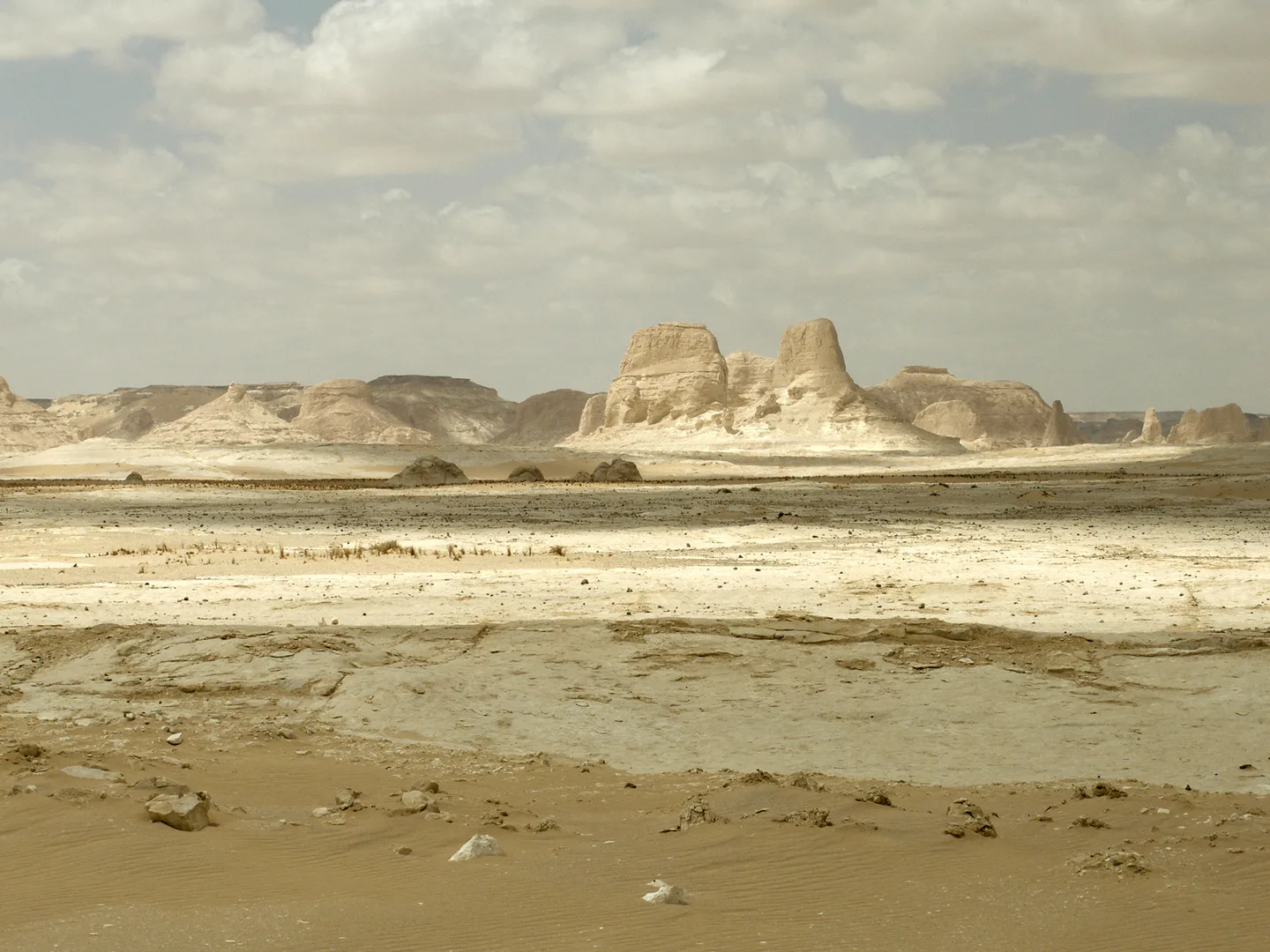
The Western Desert landscapes around Bahariya offer two very different palettes. Dark, rocky hills give the Black Desert its character, while pale chalk forms make the White Desert feel almost sculpted by hand. The richest experience comes from a properly supported expedition: a licensed local desert team, an approved route, comfortable camp arrangements and enough time to watch the light change. Bahariya provides a practical oasis base, with rest before and after travel away from paved roads.
 07
Red Sea light, lagoons and a slower shore
El Gouna
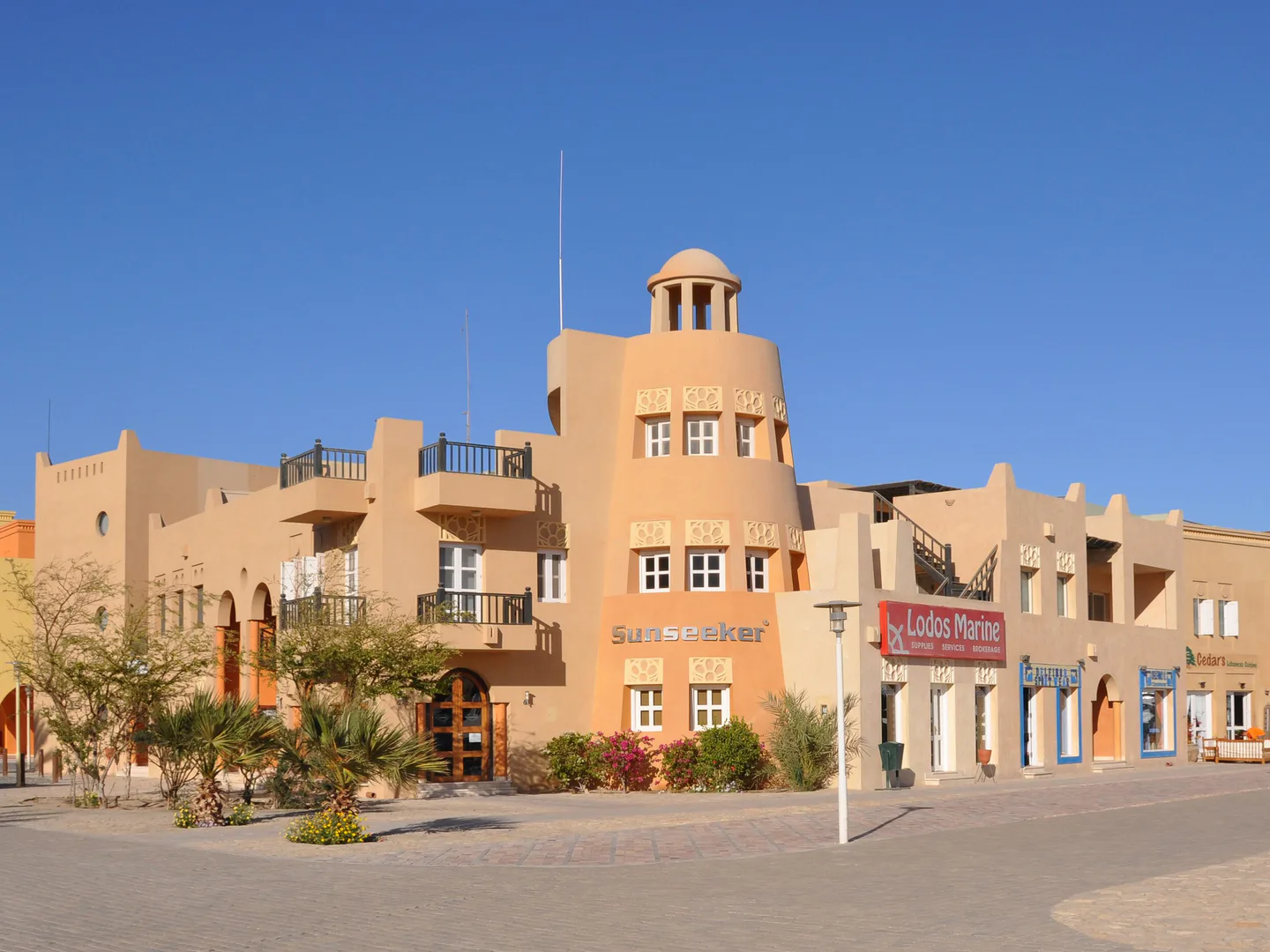
El Gouna offers a Red Sea pause within reach of Hurghada’s airport, with lagoons, marinas and a broad choice of places to stay. Its value in a longer Egyptian journey is the change of tempo: late breakfasts, time on the water and evenings that need no archaeological timetable. Choose the property and beach setting around your priorities, because lagoon access and open-sea swimming are different experiences. A well-planned stay allows for a weather-dependent boat day and time to explore the town on foot.
 08
Reef edges, mountain paths and coastal hospitality
Dahab & South Sinai
Dahab’s seafront cafés and mountain backdrop create an intimate alternative to a large resort stay. South Sinai is a place to combine gentle time beside the sea with carefully arranged excursions into the interior, where Bedouin knowledge is essential to the landscape. A thoughtful itinerary chooses experiences to match the traveller: a supervised introduction to the reef, a coastal walk or a locally guided mountain outing. The aim is a connection to place, with enough unscheduled time to feel the rhythm of the shore.
 09
Mediterranean memory and the texture of a port
Alexandria
Alexandria faces the Mediterranean with a character distinct from the Nile cities. Its interest lies in layers: ancient burial chambers, a fort on the harbour, literary memory, busy streets and the long curve of the Corniche. Give the city a full stay rather than treating it as a distant lunch stop from Cairo. A guide can connect the archaeological sites to the modern port, while intervals in cafés and small neighbourhood streets keep the day from becoming a sequence of transfers.
 10
Small-boat journeys between fields and temples
Nile Dahabiya Riverway
A Dahabiya journey makes the river itself the organising idea of travel. These smaller sailing vessels can offer a quieter setting than large cruise ships, with time to watch cultivated banks, birds and villages pass between major archaeological visits. Many journeys link the area around Esna with Aswan, but boarding points, sailing direction and length vary by boat. Choose a confirmed vessel and a realistic route, allowing its character to emerge in deck lunches, riverside pauses and a succession of changing Nile views.