Thebes, interpreted slowly
Luxor
Explore
Luxor
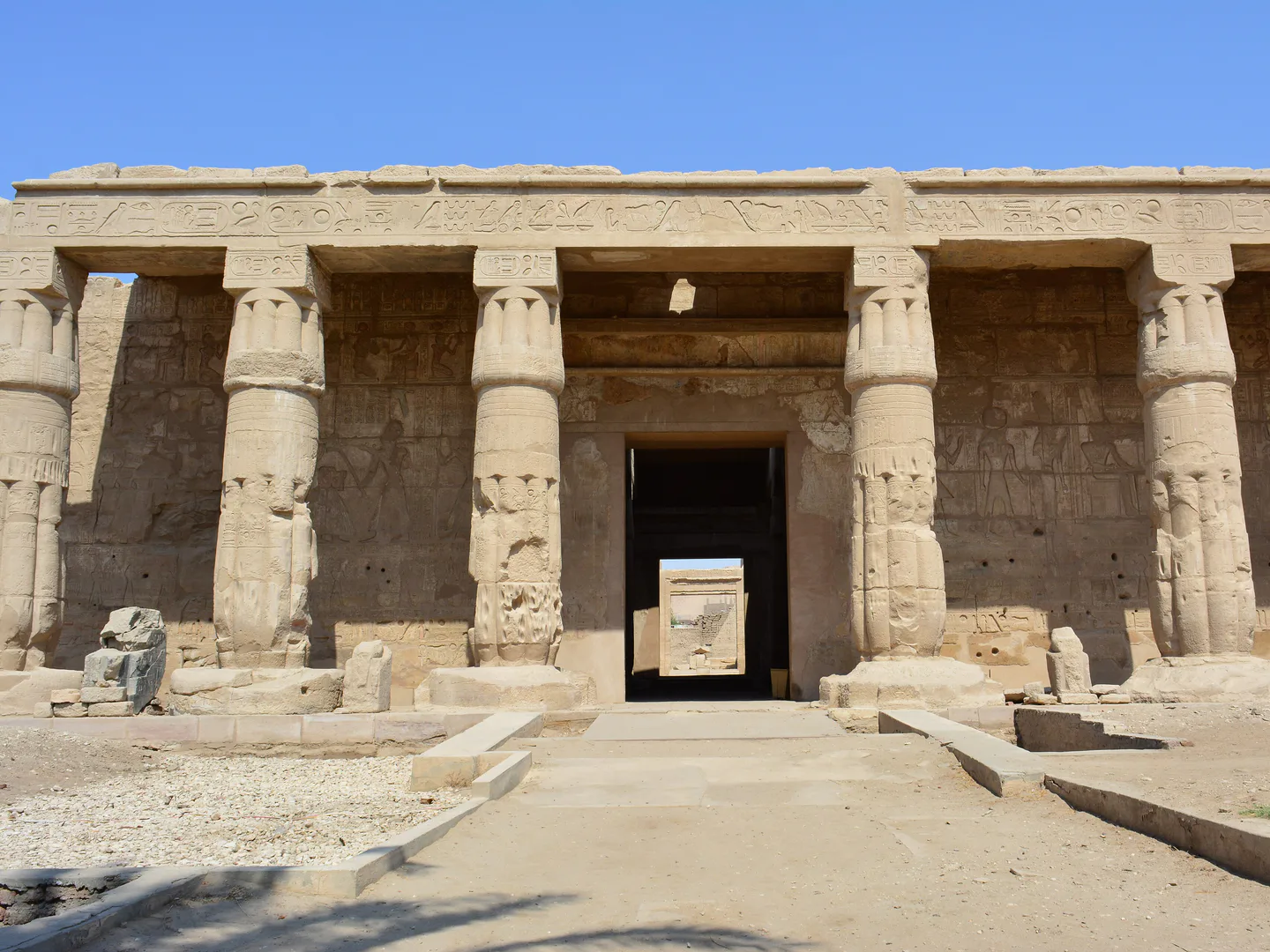
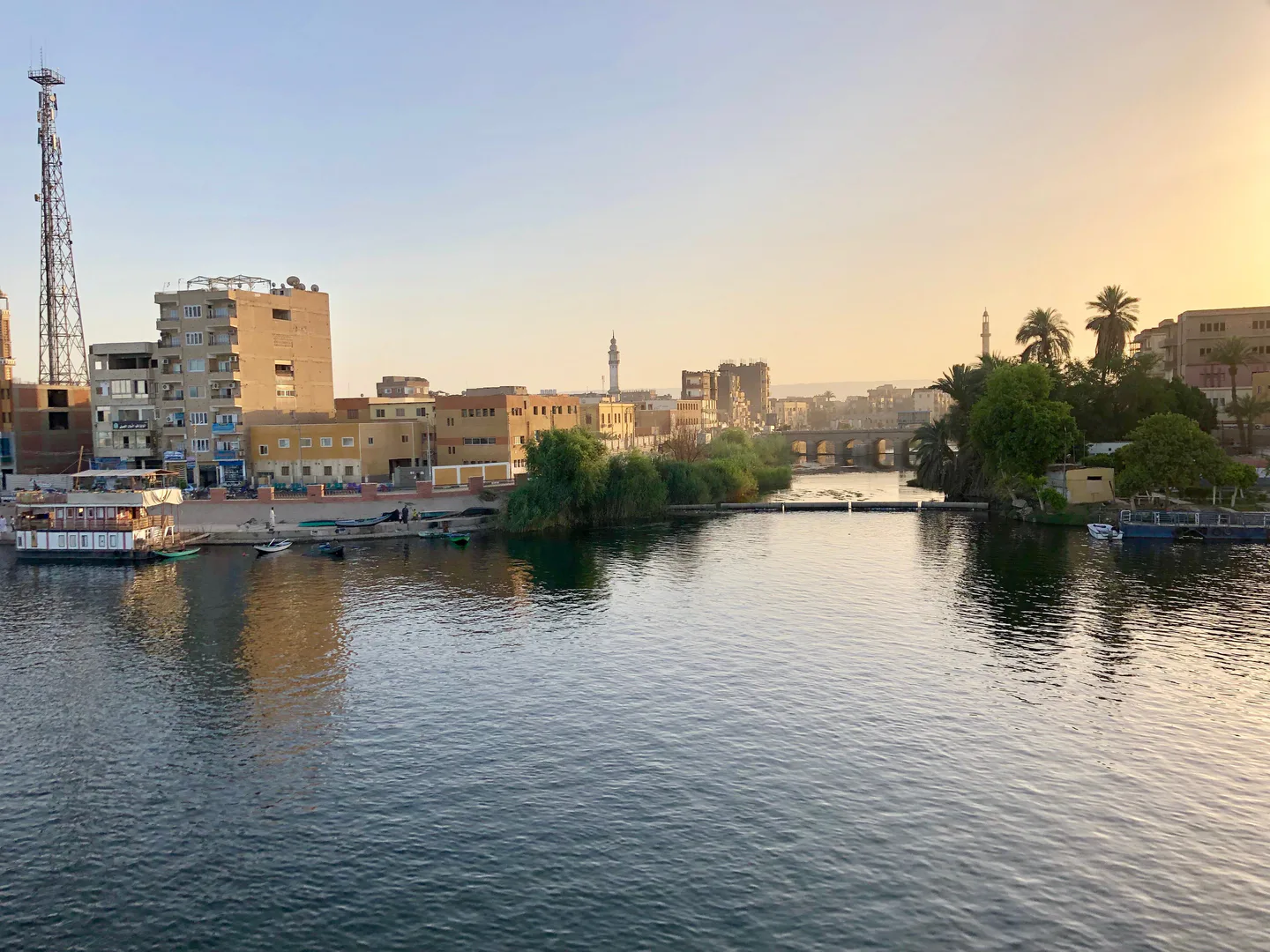
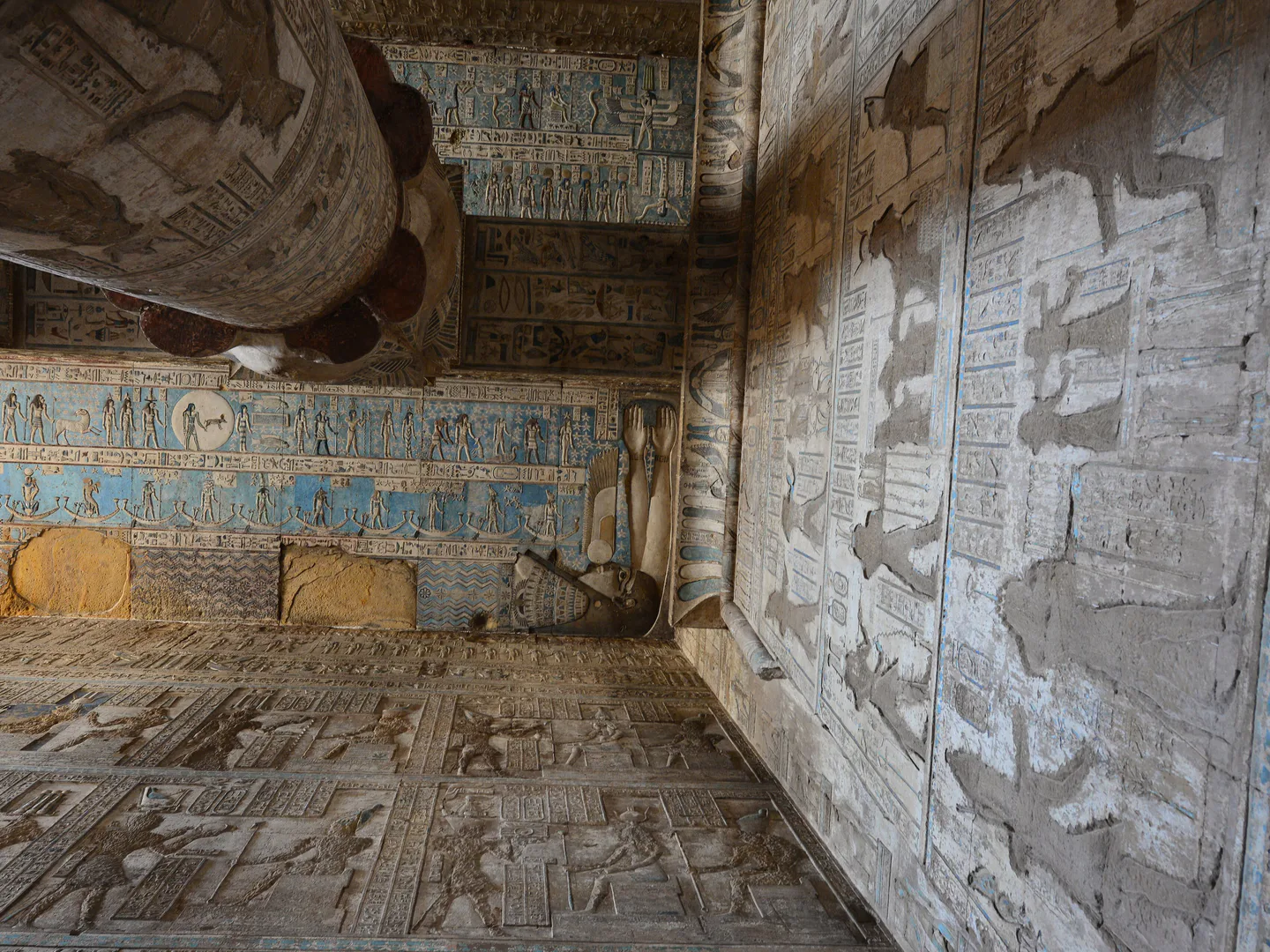
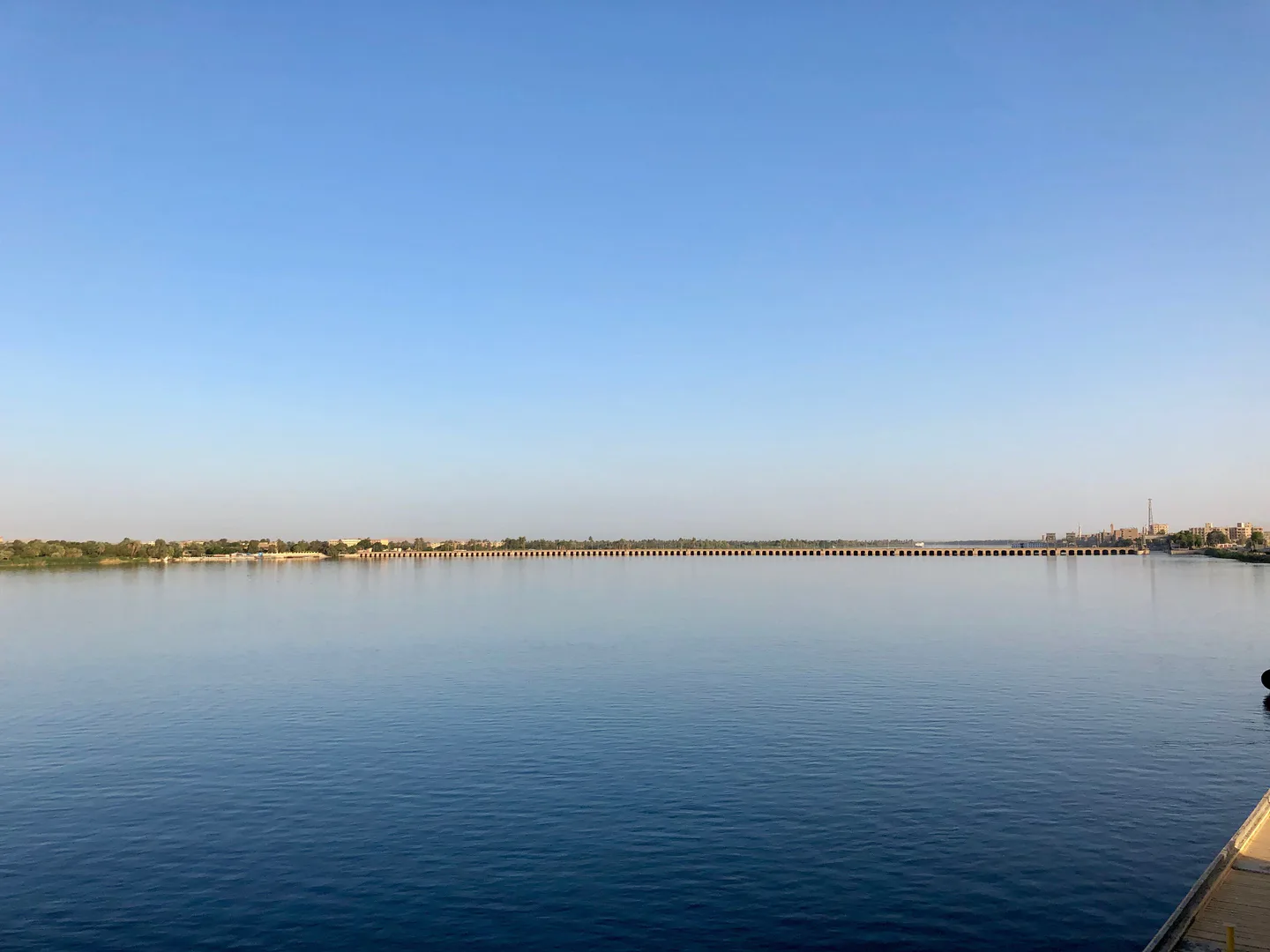
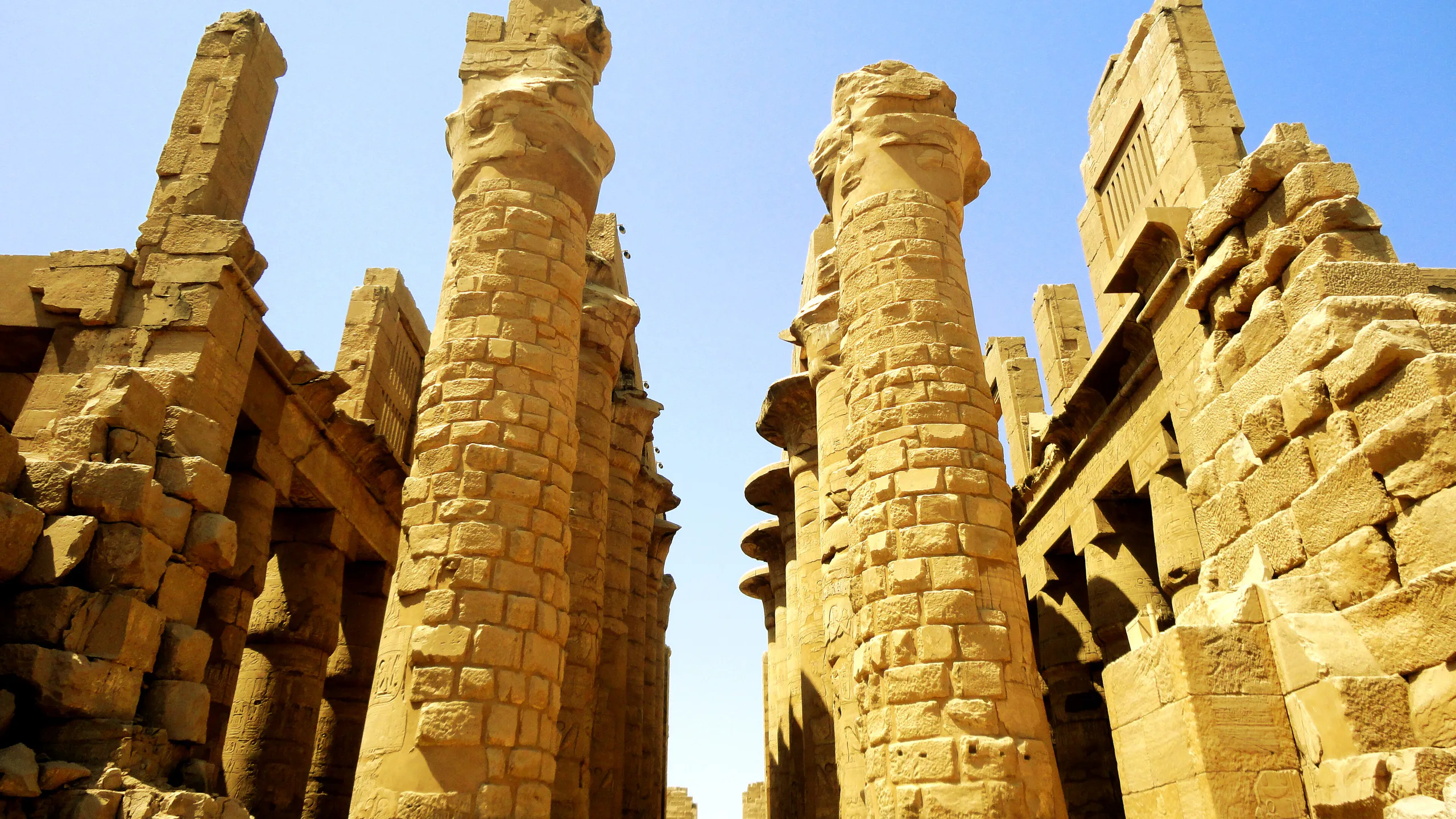
Luxor stands on the site of ancient Thebes, where the Nile separates the great temple precincts of the east bank from royal tombs and memorial temples on the west. Its appeal lies in the detail: pigment in a tomb corridor, the changing light on Karnak columns, a ferry crossing that puts the river back into the story. A considered stay gives each bank its own day and leaves room for the quieter tombs of artists and officials. Choose a riverside base and travel with an Egyptologist who can read the landscape as well as the inscriptions.
Belmahdy · CC BY-SA 4.0 · Photograph cropped and resized
When to travel
The cooler months from October to April suit long archaeological mornings. Winter days are shorter, so plan the west bank first and reserve the afternoons for smaller collections or the river. Summer visits require early departures, shade breaks and a slower pace; tomb interiors can also feel warm. Individual tomb access, photographic rules and evening temple hours vary, and should be confirmed before a fixed daily sequence is promised.
Culture and experiences
Karnak and Luxor Temple introduce royal ritual and the sacred geography of Thebes. Across the Nile, the Valley of the Kings and Hatshepsut’s terraces offer different perspectives on kingship. Deir el-Medina brings the lives of the tomb builders into focus. Regional cooking, agricultural lanes and an appropriately arranged workshop visit can give the modern city a place alongside its ancient identity.
Related Itineraries